246 private links
For Brussels artists, art workers and bottom-up initiatives run by artists, architects, independent curators or other cultural practitioners. The BARN Core Team facilitates connections in this ecosystem, focusing on sharing information and knowledge, community b

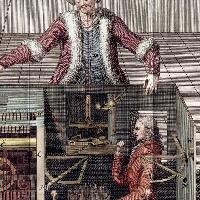
Much of the art produced with and about machine learning is too dazzled by its apparent capacities for human-like behavior to concern itself with the humans that it conceals and abuses. The best intentions cannot overcome the material reality of exploitation and the spectacular disappearance of labor required to maintain the participation of well-intentioned people. Generative AI, no matter how sophisticated, cannot function without this human labor and, crucially, it never will. It cannot sustain the fascinating illusion of its intelligence without concealing all of the human work and social relationships that brought something like Being into being.

I go looking at these kinds of objects when I am feeling unmoored because they help center me in a continuum of time, without making me feel voiceless or aggregate or disposable. Especially now, dealing with the conditions under which we see so much of our work gathered and trained on as data, which is then used to argue for the inessential nature of our field, or that our work could continue unpeopled.
But the hedgehog gestures at, instead… specific hands that made it, specific streets in which it was played with. The toy-making still recognizable as a practice all these millennia later. Legible through a changed world. Important because of its specificity.
Kugelmugel, officially the Republic of Kugelmugel (German: Republik Kugelmugel), is a spherical art object located in Vienna, Austria.
It came about as the result of the artist Edwin Lipburger constructing the 8 square meter diameter spherical object without permissions from the authorities in Austria. After the dispute between the artist and authorities, the artist declared it a micronation, and it was eventually granted asylum by the then-mayor Helmut Zilk in Vienna where it is housed in the Prater park.
The 'Republic' is currently administered by Linda Treiber.

The Centre supports practice-based interdisciplinary research, fostering new approaches and strategies to ecological issues.
Circuit Board Art
Creating an image that surpasses the current level of intensity, which already embodies a cosmic and transcendental theme, would be challenging. The current depiction includes elements such as a vortex of blinding light, mystical symbols, and a transformation into a cosmic realm, which represents a peak in visual intensity.
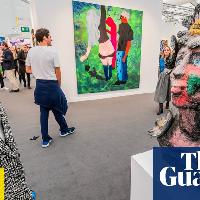
This corporate gathering full of artists’ drab, desperate attempts to get bought by clueless rich collectors has domesticated contemporary art and thus killed it

This is a reflection on the ethics of AI/ML in critical art practice from the perspectives of artists, researchers, and scientists. Rather than discuss an 'ethics of AI' in relation to the intentions of the engineers and organisations who produce these technologies, we want to articulate here what we believe is the individual responsibility of the critical practitioner in the use of these tools. What follows is a series of considerations that we have come to in our practices with these tools, and represent our (current) thinking on the use of ML/AI tools in critical art practice. of ML/AI tools in critical art practice.
This is not a rulebook for the 'right' way to use these tools, but a series of questions and provocations that contribute to the ongoing discussions surrounding them - discussions happening within our fields of practice and research, and in the wider cultural spaces we live in.
It is intended to be a shared resource for discussion, and to be expanded upon with the experience of other artists, designers, and researchers.

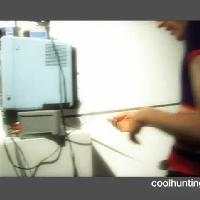
A VHS tape loop between two VCRs make a 90-foot video delay. The live installation "Time is Long" showed with Bushwick Art Projects in Brooklyn. Is the space between the VCRs cinematic?


Peter Vogel
Hokusai denshin kaishu
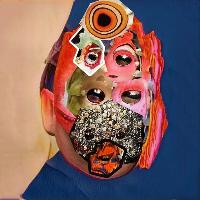
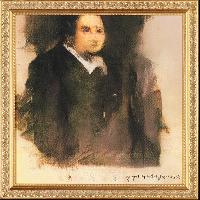
But I am arguing that ignorance of, or strictly superficial engagement with, technology is creating similar blind spots in art as the same behaviors toward gender, sexuality, ethnicity, and geography did in the past.
By and large, we in the traditional art world are not doing the research. We are not engaging earnestly with unfamiliar communities. We are not questioning the story being blasted out to us by the people with the loudest, most expensive megaphones.
But it’s still early. The mainstream narrative on art and machine learning has not settled yet. We can still correct the distortions.
What a brief history of creative destruction reveals about the Sotheby’s shredding stunt